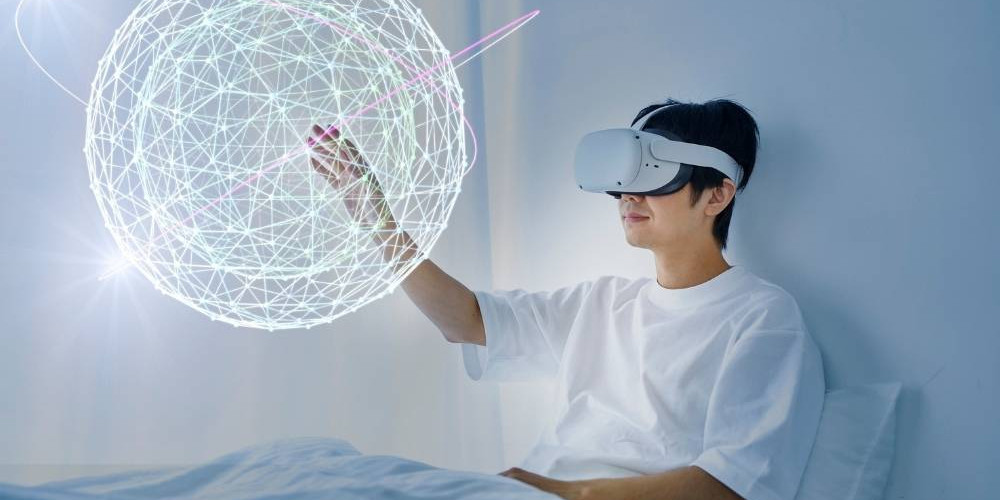
The Silent Revolution: AI in the Creative Space
For a long time, the conversation surrounding artificial intelligence in the arts was dominated by a single, fearful question: Will AI replace the creator? However, as we move further into 2025, the reality has proven to be much more nuanced and far more collaborative. We are currently witnessing a subtle integration of AI into modern creative processes, where technology acts not as a replacement for the human spirit, but as a sophisticated silent partner.
This creative evolution is part of a wider trend where modern technological shifts continue to reshape our daily habits and professional interactions across various industries.
Subtle integration is about using AI to remove the ‘friction’ from creativity. It’s about those small, incremental improvements in how we brainstorm, draft, and refine our work. Whether you are a writer, a graphic designer, or a digital marketer, the goal is to weave these tools into your existing habits so seamlessly that they enhance your output without overriding your unique voice. In this guide, we will explore practical, approachable ways to bring AI into your creative workflow.
Shifting the Perspective: AI as a Creative Spark
The hardest part of any creative project is often the beginning. That daunting blank page or empty canvas can stall even the most experienced professionals. Subtle AI integration starts at this very early stage. Instead of asking an AI to ‘write a story’ or ‘design a logo,’ successful creators use it as a springboard for ideation.
Breaking the ‘Blank Page’ Syndrome
Think of AI as a high-speed research assistant. If you are stuck on a topic, you can use large language models to generate a list of twenty diverse angles on a single subject. You aren’t looking for the AI to give you the final answer; you are looking for that one spark—the 17th idea on the list—that triggers a thought you wouldn’t have had otherwise. This is the essence of practical integration: using the machine to bypass the initial resistance of the creative process.
Practical Ways to Subtly Integrate AI into Your Workflow
To make AI work for you, it should feel like a natural extension of your toolkit, much like a spellchecker or a high-end camera lens. Here are several actionable ways to integrate these tools into your daily routine:
- Mood Boarding and Visual Research: Use generative image tools to quickly visualize concepts before you start the actual design work. This helps in aligning with clients or team members on a ‘vibe’ without spending hours on manual drafting.
- Automating the Mundane: Creativity often involves repetitive tasks. AI can be used to handle color grading in photography, noise reduction in audio, or generating meta descriptions for articles. This frees up your mental energy for the high-level conceptual work.
- Syntax and Tone Refinement: Use AI to analyze the sentiment of your writing. If you want to sound more professional or more empathetic, AI can suggest subtle shifts in vocabulary that align with your intended tone.
- Structured Outlining: Feed your messy notes into an AI tool and ask it to organize them into a logical structure. This doesn’t change your ideas; it simply helps you see the architecture of your thought process more clearly.
- Rapid Prototyping: For developers and UI/UX designers, AI can generate basic code snippets or wireframe layouts based on text descriptions, allowing for faster iteration cycles.
Maintaining the Human Element
The key to successful AI integration is knowing when to lean in and when to pull back. The most compelling creative work is rooted in human experience, emotion, and imperfection—qualities that AI cannot authentically replicate. When using these tools, it is vital to maintain a ‘human-in-the-loop’ philosophy.
Refining, Not Replacing
Every piece of content or design generated with the help of AI should go through a rigorous human edit. This is where the ‘soft and approachable’ side of technology comes in. Use the AI to do the heavy lifting of data organization or initial drafting, but save the nuance, the humor, and the final polish for yourself. This ensures that the final product feels personal and resonates with your audience on a human level.
The Future of Collaborative Creativity
As we look toward the future of innovation at Zubworld, it is clear that the creators who thrive will be those who view technology as a collaborator. We are moving away from ‘AI-generated’ content toward ‘AI-assisted’ excellence. This shift allows for a democratization of creativity, where the barrier to entry is lowered, but the ceiling for quality is raised higher than ever before.
By integrating AI subtly, you aren’t giving up your creative agency. Instead, you are expanding your capabilities. You are becoming a director of technology, guiding these powerful tools to help you express your vision more clearly, more efficiently, and more creatively. Start small: pick one repetitive task this week and see if an AI tool can help you streamline it. You might find that the extra time saved opens up a whole new world of creative possibilities.
Conclusion
The integration of artificial intelligence into the creative process doesn’t have to be a radical overhaul of your identity as a creator. It is a gentle evolution. By using AI for brainstorming, automating administrative tasks, and refining your work, you can focus on what truly matters: the story you want to tell and the impact you want to make. Embrace the tools, but keep your hands on the wheel.
Related Posts
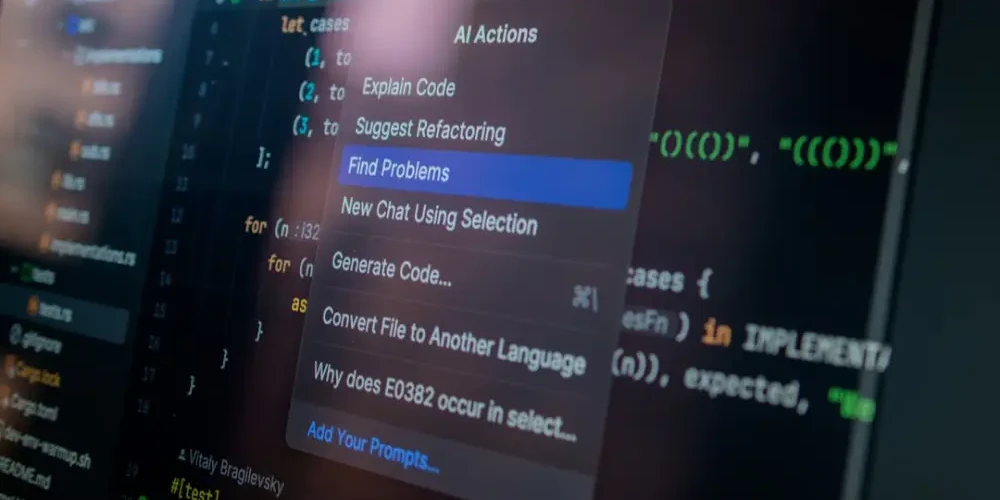
How AI coding assistants finally help you build projects without getting stuck
Tired of getting stuck on bugs? Learn…

How AI browser extensions can actually make your workday feel easier
Explore how AI browser extensions are…